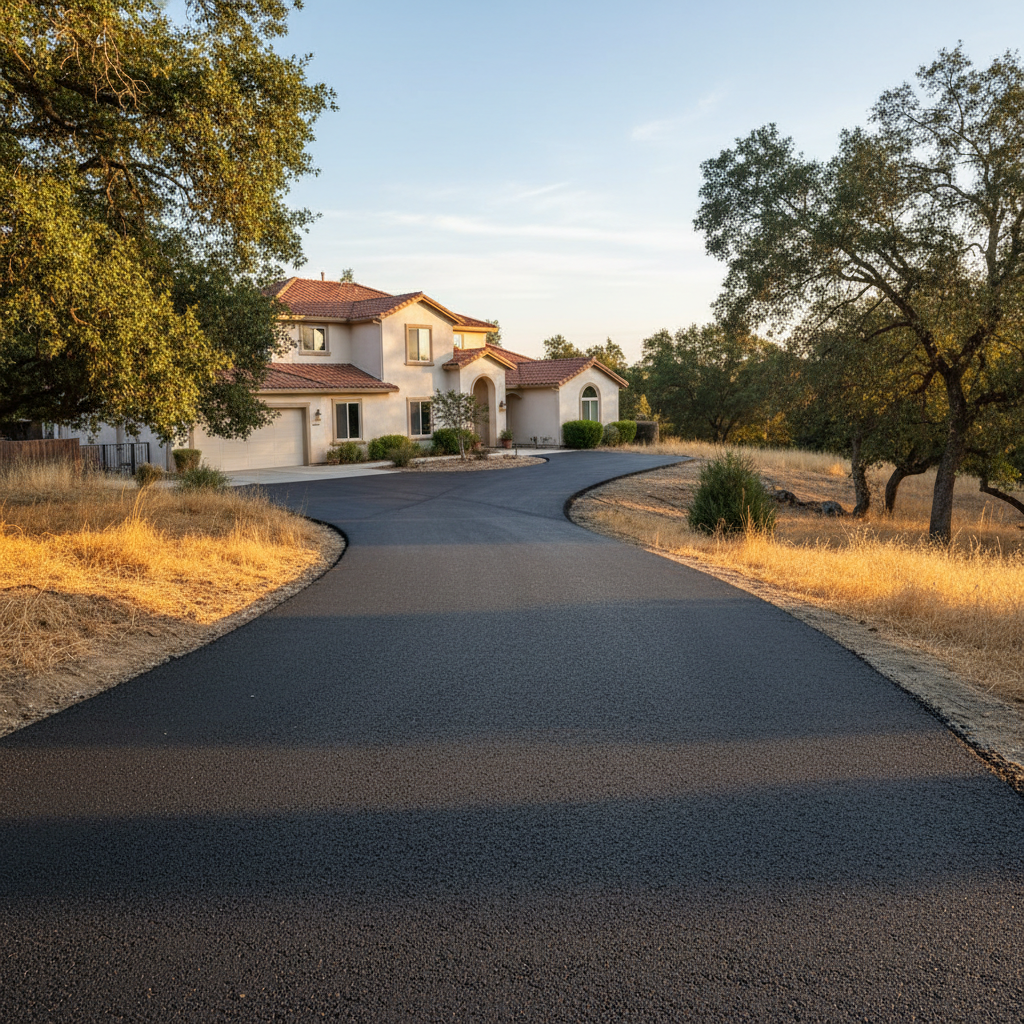
Alright, Chico, let's talk about your asphalt. Whether we’re talking about your driveway, that big parking lot, or even a private road, you’ve put good money into it, and naturally, you want it to last. Out here in the Sacramento Valley, our asphalt really takes a beating—those long, hot summers and then the wet winters, you know? So, being proactive with maintenance isn't just a smart move; it’s absolutely essential if you want to dodge some expensive headaches down the road.
Making Your Chico Asphalt Last Longer (Even with Our Crazy Weather)
Our local climate, let’s be honest, is a real challenge for asphalt. The scorching summer sun, often hitting triple digits for weeks on end, makes asphalt oxidize and get brittle. Then, when the winter rains finally arrive, that water sneaks into any tiny cracks, freezing and expanding when it gets cold, which just makes those cracks bigger. Oh, and don't forget our clay-heavy soils, especially in spots like Chapmantown or those avenues near Chico State. They swell up when wet and shrink when dry, and all that movement underneath can really stress your pavement.
Here’s what I’ve personally seen work best to keep asphalt strong:
- Keep it Clean: Sounds too simple, right? But debris, dirt, and even organic stuff like leaves and mulch can trap moisture against your asphalt, slowly breaking it down. So, sweep it regularly. And if you spill oil or gas, clean that up fast. Those chemicals are no friend to asphalt.
- Sealcoating is Like Sunscreen and a Raincoat Combined: This is a big one for Chico. Sealcoating puts a protective barrier over your asphalt, shielding it from UV rays, oxygen, and water. It really slows down that oxidation process that turns your asphalt gray and brittle. Plus, it seals up those tiny hairline cracks before they can turn into bigger problems. We’re talking about adding years to your pavement’s life here. For our climate, getting it done every 2-3 years is a pretty solid plan.
- Don't Ignore Small Cracks: I honestly can’t emphasize this enough. A small crack is easy and cheap to fix, period. Water gets into cracks, and once it’s in there, it starts messing with your base layer. That’s when the real trouble begins. So, fill those cracks promptly with a flexible sealant.
- Pay Attention to Drainage: Standing water is asphalt’s arch-enemy. Make sure water flows away from your paved areas. If you’ve got low spots where puddles form after a rain, that’s a problem you absolutely need to address. Good grading and proper drainage are super important, especially with our clay soils that aren't exactly quick to drain.
What Regular Maintenance Actually Looks Like
Think of it like taking care of your car; a little routine maintenance really goes a long way. For asphalt, sticking to a consistent schedule is key:
- Monthly Walk-Through: Just take a quick look around. Check for any new cracks, soft spots, or places where water might be pooling.
- Seasonal Clean-Up: Clear away leaves, dirt, and debris, especially before our winter rains hit. A stiff broom or a pressure washer can work wonders.
- Annual Crack Inspection and Sealing: Every fall is a good time to check and seal any cracks that are 1/4 inch wide or larger. This stops water from getting in and causing freeze-thaw damage over the winter.
- Sealcoating Every Few Years: Like I said, every 2-3 years is a good rhythm for Chico. It’s a preventative measure that honestly pays for itself.
Warning Signs Your Asphalt Needs Help
Your asphalt will definitely tell you when it’s hurting—you just need to know what to look for:
- Fading to Gray: Fresh asphalt is black. If yours is turning a dull gray, that means the binder is oxidizing, and it’s losing its flexibility. It’s much more likely to crack now.
- Hairline Cracks Spreading: Small cracks happen, but if you see them growing or connecting into a pattern that looks like alligator skin, that’s a big red flag. That